Bicycle Permitted Sign
-
 CDE
CDE - Update on. 23 Apr, 2025
Introduction
Cyclists are a vital part of Canada’s transportation system. To ensure their safety and promote shared road use, Bicycle Permitted Signs are posted in specific areas. This sign communicates that bicycles are allowed and often highlights designated bike lanes or paths. It’s a key concept tested in the Ontario G1 driving exam, especially when learning about right-of-way and lane sharing.
What Does the Bicycle Permitted Sign Mean?
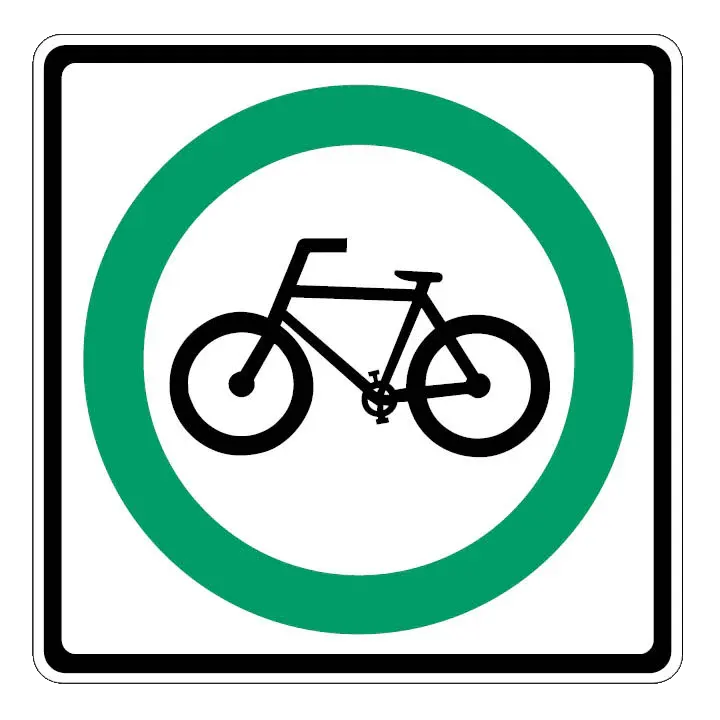
This regulatory sign indicates that bicycles are legally allowed to travel in the area or lane. The sign features:
-
A black bicycle symbol
-
Surrounded by a green circle (Canada’s standard indicator for permitted actions)
-
Set on a white rectangular background with a black border
This sign may apply to bike lanes, road shoulders, or shared multi-use paths.
Where Are Bicycle Permitted Signs Typically Placed?
You’ll see this sign:
-
At the entrance to bike lanes or cycle tracks
-
Along multi-use trails shared with pedestrians
-
On roadways with wide shoulders or shared-use markings (sharrows)
-
Near parks, schools, and urban greenways
It helps cyclists identify safe routes and reminds motorists to expect and respect bike traffic.
How Should Drivers Respond to This Sign?
When you see this sign:
-
Yield to cyclists when turning or changing lanes
-
Do not block or drive in bike lanes unless legally permitted
-
Leave at least 1 meter of space when passing a cyclist
-
Stay alert for cyclists entering or exiting the lane
On the driving test, failure to check blind spots, signal properly, or yield to a cyclist near this sign can result in penalties or failure.
Visual Representation of the Sign
The green circle around the bicycle signals that this action is permitted and encouraged, promoting safe and active transportation.
Conclusion
The Bicycle Permitted Sign supports safe, shared road use by indicating areas where bicycles have the right to travel. Recognizing this sign is essential for both drivers and cyclists—and a critical part of passing the Ontario G1 driving exam. Understanding it promotes safer roads and a healthier, more inclusive transportation network.

Please Comment Below