Snowmobile Crossing Sign
-
 CDE
CDE - Update on. 23 Apr, 2025
Introduction
In many parts of Canada, snowmobiles are a common form of transportation and recreation during the winter months. The Snowmobile Crossing Sign warns drivers to watch for snowmobiles crossing or riding near the roadway. This is especially important in rural, recreational, and northern areas, and it’s part of the Ontario G1 driving test winter signage knowledge.
What Does the Snowmobile Crossing Sign Mean?
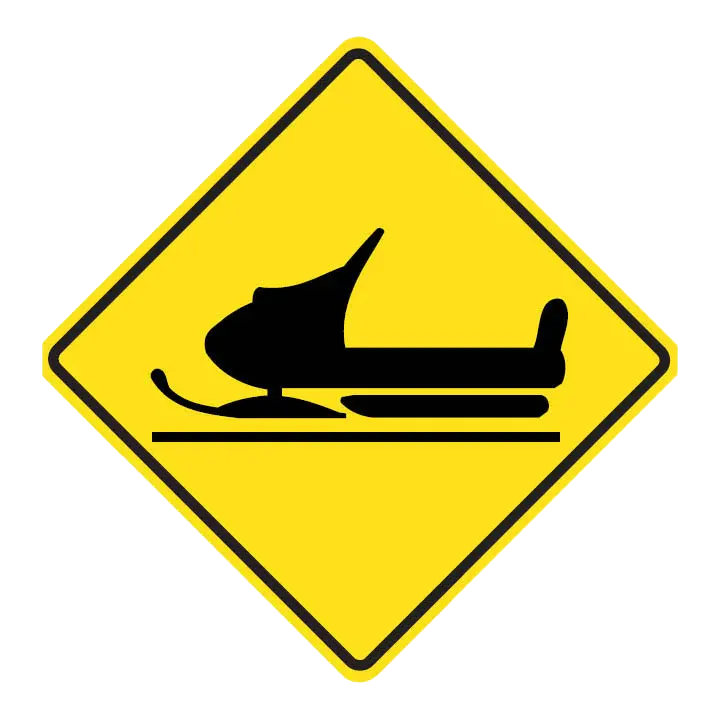
This sign alerts motorists to active snowmobile trails or crossing zones ahead. It features:
-
A black silhouette of a snowmobile and rider
-
A yellow diamond-shaped background, indicating caution
-
Often no text, as the image is self-explanatory
It is a warning sign—not regulatory—but failure to heed it can lead to serious accidents.
Where Are Snowmobile Signs Typically Placed?
This sign appears in regions where snowmobile activity is expected, such as:
-
Near snowmobile trails that intersect with roadways
-
Across rural highways and logging roads
-
At trailheads or recreational vehicle areas
-
Alongside forest access roads and winter tourism routes
-
Northern Ontario, Quebec, and Alberta backroads
The sign is positioned before the crossing point, allowing drivers time to reduce speed and remain alert.
How Should Drivers Respond to the Snowmobile Sign?
When encountering this sign:
-
Slow down and stay alert for snowmobiles that may appear suddenly
-
Be ready to stop—especially at night or in whiteout conditions
-
Never attempt to overtake snowmobiles if they are near or on the road
-
Watch for trail markings or additional signs
Failure to obey this sign could result in:-
Collisions with snowmobiles
-
Fines or road test deductions
-
Injury to snowmobile riders or property damage
-
Visual Representation of the Sign
This warning sign shows a black image of a snowmobile with a rider, placed on a bright yellow diamond background, clearly indicating snowmobile activity nearby.
Conclusion
The Snowmobile Crossing Sign is vital for winter driving safety in Canada. Recognizing it helps protect both motorists and recreational riders, and it’s a key part of the Ontario G1 test, especially in snow-prone regions.

Please Comment Below